3 Volumes
Philadelphia Medicine
Several hundred essays on the history and peculiarities of Medicine in Philadelphia, where most of it started.
Culture: The Flavors of Philadelphia Life
Philadelphia began as a religious colony, a utopia if you will. But all religions were welcome, so Quakerism mainly persists in its effects on others, both locally and in America, in Art, clubs, and the way of life.
History: Philadelphia and the Quaker Colonies
Philadelphia and the Quaker Colonies
Nobel Prizes
Some Philadelphians won Nobel Prizes for work done here, or elsewhere. Some prize winners would deny they are Philadelphians, but their work was nevertheless done here.
Bertrand Russell Disturbs the Barnes Foundation Neighbors
|
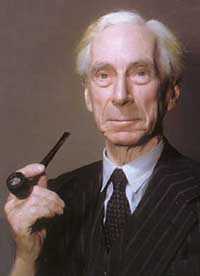
| Russell |
In 1940, the Barnes Foundation disturbed its Philadelphia's Main Line neighborhood in a way that had nothing to do with art. Dr. Barnes was still alive and running the place at that time so there can be no question about the testamentary intentions of the donor. He hired Bertrand Russell for a five-year contract to teach philosophy at the Foundation, under highly lurid circumstances. By doing so, he put his thumb in the eye of religions generally but especially the Roman Catholic Church, into the eye of the Main Line neighborhood that prized its privacy, and into the eye of the judiciary, although the judiciary found a way to get back at him.
 Do not fear to be eccentric in opinion, for every opinion now accepted was once eccentric. 
|
| Bertrand Russell |
Under the circumstances, hiring anyone at all would have been socially defiant, but Barnes went out of his way to offer a position to a man who was already internationally famous for sticking his own thumb in everybody's eye.
Lord Bertrand Russell was the third Earl, the son of a Viscount and the grandson of a British prime minister. He had such a brilliant mathematical mind that no less an observer than Alfred North Whitehead regarded him as the smartest man he ever met. He burned up the academic track at Trinity College, Cambridge, and was made a Fellow of the Royal Society at an early age. There was absolutely no one in the academic world who could look down on him, particularly no one in any American community college. His association with Haverford Quakers was established by marrying Alys Pearsall Smith, a rich thee-and-thou Quakeress then living in England, whose brother was the famous author Logan Pearsall Smith. Many early letters of Bertrand Russell contain instances of what the Quakers call "plain" speech.
|
If a man is offered a fact which goes against his instincts, he will scrutinize it closely, and unless the evidence is overwhelming, he will refuse to believe it. If, on the other hand, he is offered something which affords a reason for acting in accordance to his instincts, he will accept it even on the slightest evidence.
|
| Bertrand Russell |
By the time of World War I, this odd mixture of Quaker pacifism and English aristocratic arrogance seems to have unhinged Russell from social moorings, and he began a lifelong career of defiance mixed with a rapier wit that made just about everybody his enemy. He went to jail for pacifism, got divorced three or four times, openly slept with the wives of famous people like T.S. Eliot, and proclaimed that monogamy was not a natural state for anybody. He wrote ninety books, and his denunciation of religion was sweeping. All religious ideas were, in his view, not only false but harmful. Accordingly, everybody in polite society kicked him out, and although he was entitled to a seat in the House of Lords, by 1939 he was nearly impoverished. In desperation, he went to (ugh) America to seek his fortune. He didn't last at the University of Chicago, and even California eased him out. Finally, he was reduced, if you can imagine, to accepting an offer to teach Philosophy at the City College of New York. That proved to be totally unacceptable to Bishop Manning, who led a public outcry against using public funds to support such a radical, known to have held long conversations with Lenin. When a CCNY student was induced to file suit along those lines, an especially hard-nosed judge overturned the College appointment, with the rather gratuitous declaration that Russell's appointment would establish a Chair of Indecency. At that point, Albert Barnes stepped in and offered Russell a five-year contract to teach philosophy at the Barnes Foundation on Philadelphia's main line.
|
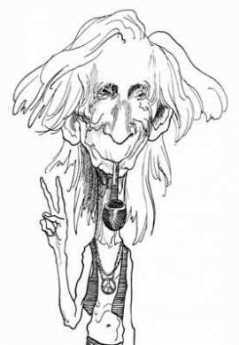
| Bertrand Russell in 1960s regalia. |
Bertrand Russell the bomb-thrower accepted the offer and came down to that quiet little lane where the neighbors object to the traffic coming to look at pictures. The five-year contract only lasted three years, when even Barnes got fed up, and summarily dismissed him. The circumstances have not been extensively documented, but they were sufficient to enable Russell to win a lawsuit for a redress of grievances. During that three year period on the Main Line, he had produced a book called History of Western Philosophy, which became a best seller and permanently relieved his financial difficulties, and was the basis for his winning the Nobel Prize in Literature. He spent the rest of his ninety-odd years leading demonstrations against the atom bomb, the Vietnam War, monogamy, religion and so on. There are those who regard Bertrand Russell as the role model for the whole Sixties generation, and, unfairly, the 2004 Democrat candidate for President. However, all that may be, his activity at the Barnes Foundation undoubtedly was a factor in the firm but the unspoken tradition of the Merion Township neighbors that they wanted to get that Art Gallery out of here.
Nobel Prize: Michael Brown, MD
|
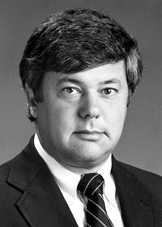
| Michael Brown |
The College of Physicians of Philadelphia annually sponsors a lecture by a winner of the Nobel Prize in Medicine or Physiology. There is never any doubt of the high quality of any such lecture, but it does add an element of local pride whenever the Nobel Laureate comes from Philadelphia, as he did this year. Michael S. Brown, MD graduated from Cheltenham high school in 1958, received a B.A. from the University of Pennsylvania in 1962, and his M.D. degree in 1966. Nineteen years later, he was awarded the Nobel Prize in Medicine for his work in describing the cholesterol pathways, and the human defects in it which lead to heart attacks, strokes and other consequences of atherosclerosis. Almost immediately, Japanese investigators found the so-called stain drugs being produced by relatives of the penicillin mold for no, particularly obvious purpose. The patents have not yet expired on most of these drugs, but many millions of people have already been spared death or disability from hardening of the arteries, the commonest killer in modern life.
The speaker, now a gastroenterologist practicing in Texas, chose to organize his talk around the manner in which biochemical discoveries are currently being made. Physicians in medical research endure news media presentations, usually in silence, of scientific research performed by basic scientists with Ph.D. degrees, with MDs then merely dispensing the drugs. It sometimes happens that way, but in general, the basic scientist is too highly focused on the techniques of the scientific cutting edge to be well positioned to see the direction that should be taken next. The physician-scientist, on the other hand, is aching to find a solution to current problems, but often lacks the necessary technical skills to perform the experiment. James Shannon, one of the early directors of the National Institutes of Health, recognized this mutual deficiency was impairing progress and set about establishing training programs for cross-fertilization between the scientific approaches. Dr. Brown was one of the early trainees of that program, and now describes its glories, going from the patient bedside to the scientific laboratory bench, and then back to the bedside to test the results. Competition has morphed into collaboration.
Some day, someone will conduct a study of Nobel Laureates, seeking out the traits which characterize them. The next step after that would probably be cloning them, although public opinion will first have to catch up with that thought. From an observers point of view, Nobel prize winners all seem gifted with the ability to give a logical, entertaining and succinct description of a complicated matter. Almost all of them are located in very large research environments, where news of small scientific discoveries in obscure scientific journals is quickly picked up by a hundred eyeballs, filtered for the benefit of the local enthusiast of the topic, and often fitted together with something which that enthusiast has discovered but not published, or published too recently to be well known. Research is not just expert marksmanship, it is marksmanship within a boiling cauldron of undigested facts. One other thing about Nobel Laureates: as a group, they tend to drive over the speed limit, even when going to the local supermarket.
Anyway, it's really nice to take the statin drug and watch your cholesterol go down, secure in the knowledge that invisibly your longevity is improved. There's just nothing more attractive than having more longevity. At least, it's hard to imagine what would ever replace it in attractiveness.
Baruch Blumberg, Renaissance Man

|
| College of Physicians |
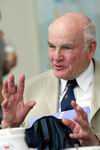
Baruch Blumberg may be an octogenarian, but he radiates vigor and good health; his current intellectual interests are invariably on the cutting edge. He currently serves as the president of the American Philosophical Society, was for five years the Master of Balliol College at Oxford, was the Director of Astrobiology at NASA -- all of them after he had won the Nobel Prize in Medicine, and retired from his laboratory. He likes to run and bicycle, with a long history of disconcerting the populace of China, India, and Africa with early morning forays. His undergraduate major was physics, with graduate work in mathematics. He went to medical school at his father's suggestion.
|
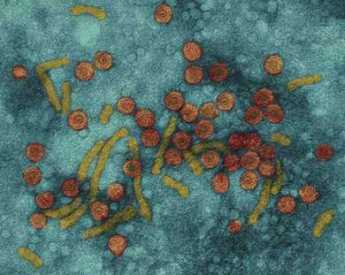
| Hepatitis B |
The Nobel Prize was awarded for the discovery of the Hepatitis B virus, for which he developed a highly successful vaccine. It has been estimated that there are 375 million people in the world infected with this virus, and it leads in time to liver cancer, the most common form of cancer in Asia. If you set about to stamp out disease and save lives, it's advantageous to do it with an extremely prevalent disease. And then there are some surprising side-benefits. For some reason, women who are infected with Hepatitis B produce a disproportionately large number of male offspring, so that vast immunization programs in Asia are now starting to result in a larger proportion of females in the population. The lack of female children in Asian families has long been attributed to selective abortion, so it's satisfying to see an abatement of that particular slander.
|
| Baruch Blumberg |
Blumberg has twice been invited to deliver a lecture to the College of Physicians of Philadelphia. The first was a description of the problems of space travel. The second was a discussion of current trends in medical genetics. It seems that gene mutations only occasionally cause disease directly. The much more important genetic factor in disease affects the ability of some people to resist particular diseases and makes others more likely to be a victim. Hepatitis B? Well, that's so yesterday.
Hayek Confronts Keynes
|
| The Four Horseman |
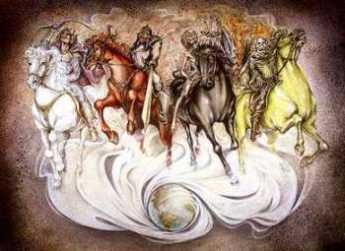
Catastrophes seem to have fashions. There was a time when the four horsemen of the apocholypse -- pestilence, war, famine, and death -- rounded up the main things to keep you awake with worry. Perhaps it is too soon to gloat, but pestilence and famine seem tamed, even ready to be "put down". War remains a serious cause for concern, but a case can be made that two economic disasters, inflation, and recession, have moved up to dominate our nightmares. Indeed, it is the Summer of Love in 1967 which seems to mark the watershed moment, when basic survival stopped being the main risk in life, supplanted by threats to existence that are largely self-inflicted. The first warning of this sea-change appeared in the fall of 1929 when it seemed to be deflation, unemployment and all the other havoc of economic recession that caused wars, famines, and pestilences. The 1929 crash did not send a fully readable message, however, because it was so one-sided. It took another 37 years for the world generally to appreciate there was an opposite side to it; inflation was just as bad as recession, and both problems were largely man-made. One person gets most of the blame for the distorted emphasis. John Maynard Keynes, later Lord Keynes, was the prophet who seemed to save the world with the doctrine that the deflation emergency was so dire that civilization could not afford to worry about the long-term drawbacks of deliberate inflation. He persuaded world leaders to inflate the currency before civilization disappeared. After all, in the long run, we are all dead.
|
| Roosevelt Stamps |
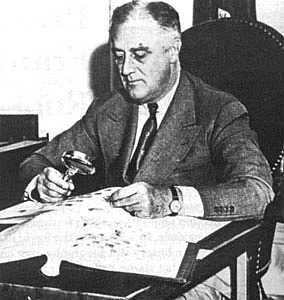
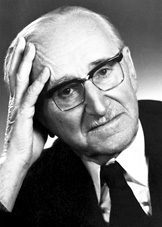
There's an irony that Franklin Roosevelt was a hobbyist who collected postage stamps because stamp collectors were about the only Americans who were dimly aware that Germany and Austria had hyper-inflation as the main curse. Austrian postage for billions of marks gradually filtered into our collections of odd foreign stamps, arousing mild international curiosity. But Friedrich August von Hayek was living in the midst of it, painfully aware of its pain and chaos. It became the central focus of the life of an aristocratic decorated war veteran who became a distinguished economist, eventually winning a Nobel Prize. What caused inflation? Why didn't it stop? Why was it so destructive? How can inflation be prevented? How could Maynard Keynes possibly urge the leaders of nations to inflate their currency deliberately?
As a scholar in the dismal days of world depression, Hayek had a hard time, living for long periods on the charity of a few philanthropists who recognized his talents. He is best known for his scorching analysis of collectivism, a craze which swept through academic and political leadership, particularly in Europe, and his persuasive views probably constitute the main intellectual force which ultimately ended the Cold War. It is seriously stated that personal animosity by Socialist-leaning academics materially injured his academic career, although it probably gave him more time, and motive, for serious writing. Inflation and political collectivism do not seem tightly connected, but it is easy to observe that command economies do inevitably clash with private property and market decisions. For the present, it seems useful to set aside Hayek's monumental political achievement of discrediting Communism and focus on his penetrating view of inflation.
|
| August von Hayek |
You can almost watch his mind at work. If you give long hard consideration to the topic of inflation, you have to conclude that there seems no reason for it to be a bad thing. It may take a little time, but the price of everything will eventually readjust to a new higher level, and relationships will go on undisturbed. At first glance,
You can almost watch his mind at work. If you give long hard consideration to the topic of inflation, you have to conclude that there seems no reason for it to be a bad thing. It may take a little time, but the price of everything will eventually readjust to a new higher level, and relationships will go on undisturbed. At first glance,
inflation is just a harmless numbers game. You can understand the power of inflation; everybody likes a little of it for his own personal benefit. If everybody enjoys a little of it in his own sphere, then the whole world is pushed to a higher numerical level.
After long consideration, Hayek came to see that the disruptions of inflation are caused by the uneven speed of penetration throughout an economy or nation. If the price of oil goes up, the price of transportation goes up, then the price of home heating. But those who take the train or who heat their homes with coal are not affected so soon. Mortgages carry a fixed interest rate for thirty years until the unwisdom of such agreements becomes clear, but it takes time. The process of inflation creates winners and losers, and disruption in the culture of payments. The speed of payment is itself a factor in the virtual size of the monetary pool. In the long run, we're all dead and it all settles out unless we set in motion a universal scramble to get out the door before others get there. Inflation is just as much evil as collectivism, and somehow the two are usually seen together. The Road to Serfdom sits on the shelf, right next to The Austrian Theory of the Trade Cycle, and Other Essays .
Two Pacifists: Einstein and Eddington
|
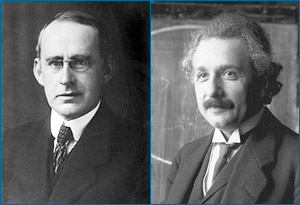
| Einstein and Eddington |
Very few claimed to understand what Einstein's Theory of Relativity was all about, but everyone could understand that giving a wartime Nobel Prize to a conscientious objector on the enemy side was political dynamite. It was not entirely a clear case; Einstein had indeed been a C.O. and was indeed the only member of the 94-person Prussian Academy to refuse to endorse the War. However, he had such a long history of taking the unpopular side of every argument that it was not certain whether he opposed the war or was merely sticking his thumb in the Kaiser's eye. At the same time, the most promising English astrophysicist, Arthur Eddington, was petitioning as a Quaker to be granted alternative service rather than be compelled to fight. Since Eddington was just about the only person claiming to understand and endorse Einstein's incomprehensible idea, it did not seem convenient to the British government to seem to endorse a German claim to enormous scientific achievement. It was decided to agree to Eddington's draft exemption on condition he conducts his own proposal for a definitive test of the theory. According to this idea, the light coming from a distant star should bend as it went past the sun. This proposal had the hidden advantage that a test could not take place until the 1919 eclipse of the sun, visible only from Africa or Brazil.
The experiment was hailed as a success, and a Nobel Prize followed shortly afterward, even though there were storm clouds over Brazil, and technical difficulties in Africa resulted in a rather blurred obscurity which would have baffled the public except for the enthusiastic acclaim of the only distinguished English scientist likely to understand the experiment. As telescopes have improved over the intervening century, it is now possible to observe the gravitational pull of much larger celestial bodies than the sun on a light which is coming to the earth from much more distant stars. Therefore, even schoolchildren can today see photographs of pinpoint starlight twisting into arcs of light while passing distant galaxies. Einstein the German has triumphed over Isaac Newton the Englishman, although the heady triumph probably did somewhat go to the heads of both Einstein and Eddington. Eddington the birthright Quaker allowed himself to be knighted, Einstein endorsed the dubious pacifist uprisings in Palestine, Eddington made a career of explaining puzzling scientific theories to the appreciative public. The direction of all this became clearer as some of the new theories Eddington promoted were discredited, and Einstein's pacifism has certainly become clouded by later thermonuclear events which he had a large hand in promoting.
Of the two, Einstein has proved to be the greater scientist, but Eddington would have been a scientific luminary without any association with the German, perhaps even a greater one without inevitable comparison between the two. Einstein spent the last 23 years of his life on the fringes of Philadelphia, at Princeton, but Philadelphia had little consciousness of his presence.
Philosophy Means Science in Philadelphia
|
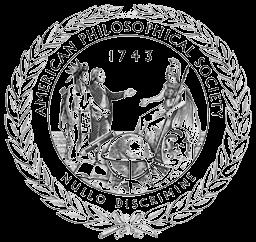
| American Philosophical Society Seal |
In the age of the Enlightenment, science was called natural philosophy; that accounts for the present custom of awarding PhD. degrees in chemistry and botany. The sort of thing which interested Ralph Waldo Emerson was called moral philosophy, and you will have to visit some other place than the A.P.S. if that is what interests you. Roy E. Goodman is presently the Curator of Printed Material (some would say he was chief librarian) at the American Philosophical Society, founded in 1743 by Benjamin Franklin who was clearly the most eminent scientist of his day, having discovered and explained the nature of electricity.
|
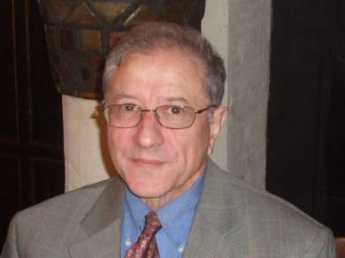
| Roy E. Goodman |
Roy Goodman is descended from cowboys and rodeo stars, but in spite of that he gave an entertaining talk recently at the Right Angle Club about this society devoted to useful knowledge, this oldest publishing house and scholarly society in America, once the home of the U.S. Patent Office, and scientific library and museum. They have many rare items in their collection, but the unifying theme is not a rarity, but curiosity. You might say some of the items reflect the whimsy of Franklin, but it would be fairer to say it is an enduring monument to Franklin's universal curiosity about all things.
|
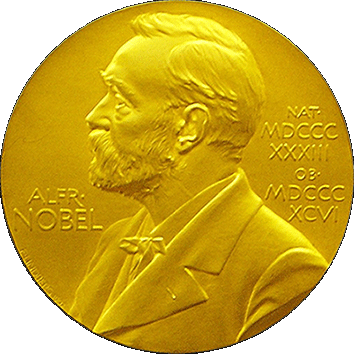
| Nobel Prize Medal |
There are about 900 members of APS, about 800 of them Americans, about 100 of them winners of a Nobel Prize. Let's just make a little list of a very few notables in the past and present membership. Start with the first four Presidents of the United States, add Alexander Hamilton and Lafayette, David Rittenhouse and Francis Hopkinson and you get the idea that Founding Fathers got in early. Robert Fulton, Lewis and Clark, Alexander Humboldt, John Marshall were early members, and more recent ones were Madame Curie,
What To Do If You Have a Heart Attack

|
| No Ambulance, But Faster |
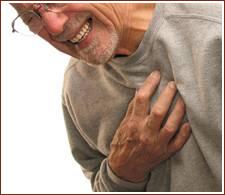
On a pleasant Spring Sunday some time ago, I was at home, doing nothing in particular, when I suddenly experienced severe, crushing pain deep inside my chest. No doubt in my mind what that meant, so I quickly took an aspirin and looked at the clock: 6:50 PM, daylight time. Out the window to my right, my neighbors were having a yard party, so I walked thirty feet over to them. Side-stepping the big Hollywood hello, I told my neighbor I was having a heart attack and would please like a fast trip to the hospital. There was some talk of calling an ambulance, but that was brushed aside. No time.

|
| E-Z Pass Speeds the Trip |
Neighbor Charlie took the wheel, a friend got in the back seat, and off we went, fast. About that time, I started to sweat, just like they say in books, but to my surprise only after two or three minutes of the pain. The pain continued unchanged. Luckily, on Sunday evening, traffic was light. Down the main road to Benjamin Franklin Bridge, through the gate with E-Z Pass, over the bridge, turn left. I asked the man in the back to call the Emergency Room on his cell phone to tell them I was coming in, please get the cardiac intervention team to come to meet me at the hospital in a few minutes. We made one wrong turn on a one-way street, adding three blocks to the ride. I knew better but didn't feel equal to protesting. We were soon at the right door, and then into the reception area of the Emergency Department. This area is almost brand new; the first time I had been there. But I had been all over that hospital every day for years at a time, and for two years had been the Physician in charge of the Emergency Room, myself.
|
| Electrocardiogram |
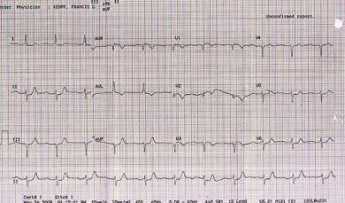
I didn't recognize the nice lady at the desk, who wanted to know my next of kin, Medicare number, other insurance coverage, the color of my eyes, the name of my dog. My companions are very large fellows, and I was about to tell them to be polite, but if necessary knock her down, when actually I said the magic words,"Severe chest pain". That was part of her standard protocol, apparently, since I was immediately ushered onto a stretcher through a side door, had an electrocardiogram, watched the resident pick up the phone to call the cardiac team. Then I waved off somebody's informed consent speech to the effect that I didn't just consent to, but in fact, demanded an angioplasty. My clothes were taken away, intravenous lines were placed, ice-cold antiseptics were swabbed around. I was shaved in a business-like way in what the lady cutely called a Mohawk. The surgeon appeared, started his own informed consent speech which was waved off. The locks on the wheels were kicked loose, the stretcher started for the elevator, surrounded by scrambling attendants holding bottles. When we came to rest under a big light in some ceiling, I looked at the large wall clock. It was 7:20 PM. That was exactly thirty minutes after the pain began.
|
| Cardiac Catheter |
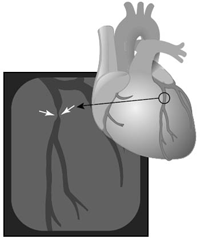
I was more or less awake during the whole procedure, getting to watch the dark black line of the catheter moving around on the scope beside me. I didn't know this particular surgeon, but it was obvious he was good. Usually, you can watch the catheter tip advance, then pull back, try again, pull back, try again and hit an obstacle. This evening I had the joy of watching a virtuoso performance, with the catheter smoothly advancing to its destination, twist and come to rest. Black dye squirted out, outlining the artery and its branches. The electrocardiogram correctly predicted the obstruction in the right anterior descending artery, and to general relief, the other atrerieswere "clean".
Probably because I got there so fast, plus swallowing an aspirin at home and chewing several in the Emergency Room, no clot had formed around the obstruction, which apparently was caused by a plaque of cholesterol with a split in it occluding the wall of the artery by bulging into the lumen. There seemed to be no clot behind the plaque or in front of it. The catheter had a stent over the balloon tip, which is to say it contained what amounted to braided chicken wire. The whole contraption gets opened up by inflating the balloon, then deflating and withdrawing it, which allows the artery to be held open by the unfolded chicken wire which remains in place. With the early versions of stents, fibrous scar tissue would grow over the chicken wire and block up the artery a few weeks later. Hence, the stent was coated with a chemical which prevents fibrosis. Unfortunately, this chemical also retards the growth of cells which line an artery on the inside, so coated chicken wire provokes clots. While I was still in the operating room, the solemn incantation was begun: I must take an anti-clotting drug every single day for a whole year, and if I missed a single pill, I could immediately die. I was to hear this incantation twenty times, so I guess they really mean it.
|
| On a scale from 1-10, how bad is it? |
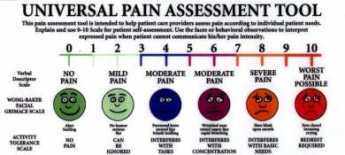
Well, I was asked to call out a number from one to ten, indicating severity of chest pain. It had been "three" when I got to the operating room, even though it had begun as a "seven", and rose to "seven" several times during the procedure. Seven was my own invention; if I had to ask for pain-killer it was going to be an eight and would get to nine if I had to cry out. It never got worse than seven. When they pulled the catheter out of my groin, it was zero. It has stayed zero ever since.
It was a cause of some interest that my enzymes never rose. When heart muscle is injured, characteristic enzymes leak out and appear in blood tests; you can more or less measure the extent of the damage by the level it reaches. I had reached the emergency room so quickly the enzymes had not had a chance to rise. And the artery was re-opened so soon, they never did rise. For the first time in my life, my blood pressure was 250, so I guess I wasn't as calm as I let on. Somewhere during the procedure, the sweating stopped.
|
| Severe chest pain |
So, off to the cardiac care ward, where the custom is for each attendant to write his or her name on a whiteboard, while the date and time are prominently displayed for continuing orientation. They give you a phone so you can call your nurse, but my suggestion is to offer earplugs to drown out the continuous chatter at the desk. A patient of mine once called it the Racket Club. The food is, well, hospital food. Protocol says it should have no salt. I discovered that breakfast arrives on the dot at 9 AM, supper on the dot at 5 PM, lunch somewhere in between. I believe I understand the reasoning. Two days of this, and I'm discharged. Nothing to it, if you get there fast. Let me repeat, if you get there fast.
Since this light-hearted day trip is in sharp contrast with the six weeks of strict bed rest so routine in the days of my internship, not to mention the considerable mortality and disability that prevailed until quite recently, it justifies some reflection. As a medical student, I knew Andre Cournand and Dickenson Richards, who perfected the cardiac catheter. They were awarded Nobel Prizes, as was Michael Brown, who invented the statin drugs to lower cholesterol. Affable and modest men, they have saved millions of lives, now including mine. Or at least they did so, with the assistance of thousands of other doctors who perfected one by one the details of the little minute we danced in the operating room, each adding some little refinement, or eliminating some little hindrance to success. But, doggone it, you have got to get to the hospital fast.
|
| Helicopter Dreams |
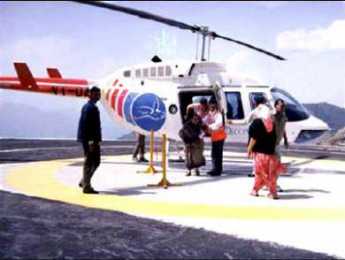
To do that, you have to give it some thought in advance; some community organization would also be useful. In my case, waiting for an ambulance would have slowed me down. Not everybody can live within a few minutes fast drive of a hospital, and not all hospitals are equipped to handle such cases. The range of effective rescue could be extended with helicopters, but you have to give some thought to where you would have to drive to find a place for a helicopter to land. Philadelphia is almost unique in having the largest evacuation company in the world, headquartered in Trevose, but it would take a lot of negotiation to arrange a system for the whole Philadelphia area. It just happens my oldest son was helicoptered off a mountain in Nepal this year (by an affiliate of this company), but his helicopter almost ran out of gas. These things can be done, and yearly evacuation insurance is about $200 a year, anywhere in the world. But it would take an awful lot of community planning and argue -- and maybe suing -- to make it happen. Is it worth it? Sure, but a little hard thought in advance might offer better solutions for most people.
B. Franklin, Scientist
|
| Franklin Institute |
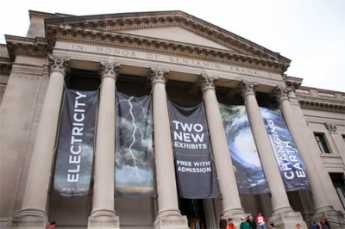
FROM time to time, the Franklin Institute has a display of its own and other museums' collections of the scientific instruments of Benjamin Franklin. It's well worth anybody's visit when it is available because the beauty and craftsmanship of these instruments alone make them remarkable works of art. Franklin was financially able to retire at the age of 42, and it tells you something of the 18th-century culture that Franklin took up scientific experiments in order to be like other independently wealthy gentlemen. Science, or natural philosophy, this seems to have been in a class with getting a coat of arms and having his portrait painted, all of which cheapens our view of Franklin as a scientist.
|
| Peter Collinson, F.R.S. |
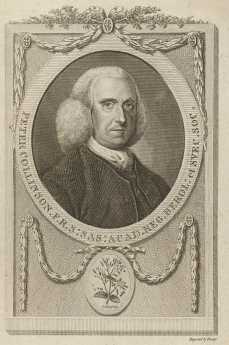
In fact, Franklin was conducting an active correspondence with other scientists interested in electricity for many years, in particular, one Peter Collinson, F.R.S. in London. Collinson collected thirteen of Franklin's letters about his experiments, the earliest dated 1747, and printed them in 1751 as an 86-page book called Experiments and Observations about Electricity . By 1769, several more letters expanded the book to 150 pages, almost all of them describing reproducible experiments in great detail. The kite and key episode are described, but soberly and sparingly. Without making the point too graphically, an appendix was added describing how lightning had been used to kill some turkeys, so a somewhat increased power would probably be enough to kill a person. Franklin recognized that something was moving from here to there, that it had positive and negative charges, and that it was possible to store it up in a storage battery. He recognized the difference between substances that would conduct electricity and other substances that would act as insulators. Later on, he would discover that the torpedo fish stores and transmits electricity, suggesting that somehow animals made and used electricity as part of life. And of course, he put the discoveries to practical use as lightning rods, which he refused to patent.
|
| Madame Helvetius |
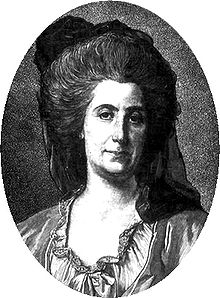
By the time he went to England and France as a negotiator, his wide acquaintanceship in the scientific world was happy to introduce him to other famous people, like kings, Voltaire, Mozart, and Madame Helvetius the wife of the Swiss philosopher, the only woman to whom he is known to have made a proposal of marriage. When someone mentioned standing before a king, he replied he had stood before five of them. King Louis XVI, for example, appointed Franklin to a four-man committee to investigate hypnotism, then being touted as "animal magnetism" by Franz Mesmer. The other three committee members were unfortunately also destined to become acquainted with the guillotine: Brother Joseph-Ignace Guillotin himself, and two future victims of the invention, Antoine Lavoisier the discoverer of oxygen, and Jean Sylvain Bailly who first calculated the course of Halley's Comet, not to mention Louis XVI himself. It is not easy to think of any other scientist who was able to mix his scientific fame with changing international history, acquiring in the process the sobriquet of the founder of the American diplomatic corps. But then, he was witty as well as smart, and his career is a warning to those who now hope to devote their whole lives to being admitted to a prestige college and then coasting on its reputation. Franklin, it should be remembered, dropped out of school after the second grade.
Ball Lightning, Regular Lightning, and B. Franklin
Just about everybody knows that flying a kite in a lightning storm is too dangerous to consider, but hardly anyone appreciates the enormous scientific significance of what happened at 10th and Chestnut Street in 1752. Benjamin Franklin discovered electricity, essentially explained it, displayed its commercial value with lightning rods (but never patented or profited from them), and received the acclaim of the scientific community which would have won him a Nobel Prize if such a thing had existed then. It's true this didn't happen overnight; in many ways, he made the clinching demonstration on the shores of France. Something called the torpedo fish lives there, and Franklin gathered a group of friends holding hands in a circle, demonstrating the electric shock started with the fish and traveled around the circle. Out of this appreciative circle of scientists emerged his rightful reputation as a scientist of the first rank, soon to be the most famous American in the world.
But while millions of people had observed lightning flashes before Franklin connected one to a Leyden jar, those millions were merely content to go inside the house before it started to rain. Millions more still think of the whole episode as a quaintly stupid thing to do, without much scientific or practical value. Dangerous it was indeed, and it knocked young Franklin for a loop at another time and killed several other people who tried to repeat it. But to grasp the scientific feel of it, let's put yourself in Ben's shoes. Let's look at a probably related issue, called ball lightning.
|
| Ball of Lightning |
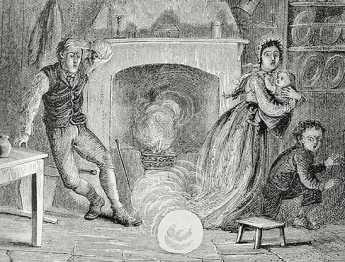
Ball lightning is relatively uncommon, but some chronicler has calculated that about a half of one percent of the world's population has observed it. Counting from the beginning of history, that means a lot of ball lightning. Let's describe it here in the words of two Philadelphians who have actually seen it. One lady describes that she was in her kitchen on the Main Line during a thunderstorm when a big ball of light about the size of a basketball bounced through the door and sat on her stove for at least a full minute. It didn't give off much heat, didn't explode, and didn't smell bad. Although she was badly shaken emotionally, she doesn't remember anything much more. It just went away.
And another Philadelphian was on an airplane in a thunderstorm, back in the days when planes mostly flew below the clouds. A smaller blob of ball lightning appeared from nowhere and rolled down the aisle. Although no one kicked it or did anything else stupid, it created its sensation and then was gone.
A student of this matter says that although ball lightning is comparatively rare, it does occur often enough for extensive credible descriptions to exist. The size is most commonly between that of a pea and a sofa. It is not reported to give off much heat, usually but not invariably appears during a thunderstorm. Ball lightning appears to favor appearances over the ocean, and surfaced submarines seem over-represented among reporters of it. By report, the ball usually disappears with an explosion which does not sound like thunder but leaves behind a sulfurous odor. People who physically tangled with it, have been killed.

|
| Young Franklin and Print Press |
From the descriptions of crowds of people surrounding some of them, it seems unlikely these phenomena are merely visual hallucinations induced by lightning strikes, as has been suggested by some. And just what it would feel like to be that close to astronomical black holes, has not been reported by any survivors. Black holes are found scattered all over the universe, so there is no reason small ones couldn't appear on the Main Line, but it would seem likely they would be surrounded by a turbulent force field of some kind. Lots of other theories have been propounded, but haven't developed much scientific traction. In short, the state of ignorance about ball lightning today is about as total as about regular lightning bolts in the Eighteenth century.
So, there you are, a mysterious natural phenomenon which everybody ignores, just waiting for some amateur to get curious enough to devise a simple experiment to explain it. The remarkable thing about the discovery of electricity was not that it was a problem crying out for a solution, or a dangerous dragon needing to be slain. It was just something that everybody noticed, and everyone ignored. What was remarkable about this episode was not the nature of the phenomenon, but the unusual nature of the curiosity of a local printer named Ben.
Evo-Devo
|
| The Franklin Institute of Philadelphia |
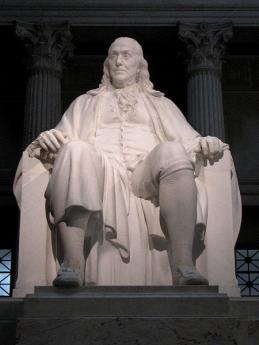
THE oldest annual awards for scientific achievement, probably the oldest in the world, are the gold medals awarded by the Franklin Institute of Philadelphia for the past 188 years. Nobel Prizes are more famous because they give more money, but that in a way involves another Philadelphia neighborhood achievement, because Nobel's investment managers have run up their remarkable investment record while operating out of Wilmington, Delaware. In the past century, one unspoken goal of the Franklin Institute has been to select winners who will later win a Nobel Prize, the actual outcome more than a hundred times. That likelihood is one of the attractions of winning the Philadelphia prize, but in recent years some Nobel awards have acquired the reputation of being politicized particularly the Peace and Literature prizes. Insiders at the Franklin are positively fierce about avoiding that, so the Franklin Institute prizes have become known for recognizing talent, not merely fame.
|
| Dr. Jan Gordon, Dr. Sean Caroll, and Dr. Cliff Tabin |
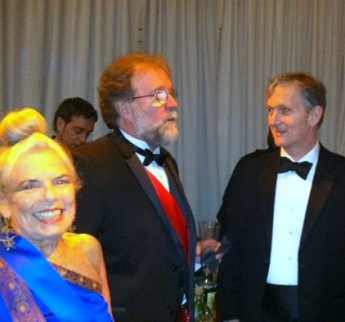
Within Philadelphia, the annual awards ceremony is one of the four top social events. The building will seat 800, but reservations are normally all sold out before invitations are even put in the mail. A major source of this recent success is clear; in the past twenty-five years, the packed audience is a star in the crown of Dr. Janice Taylor Gordon. This year, she hurried back from a bird-watching trip in Cuba, just in time to busy herself in the ceremonies where she sponsored Dr. Sean Carroll of the Howard Hughes Foundation and the University of Wisconsin, for the Benjamin Franklin medal in the life sciences. Carroll's normal activities are split between awarding $80 million a year of Hughes money for improving pre-college education from offices in Bethesda, Maryland, and directing activities of the Department of Genetics in Madison, Wisconsin. His prize this year has relatively little to do with either job; it's for revolutionizing our way of thinking about evolution and its underlying question, of how genes control body development in the animal kingdom. Evolution and Development are academic terms, familiarly shortened to Evo-Devo.
|
| Dr. Carroll's Butterflies |
My former medical school classmate Joshua Lederberg, also a resident of Philadelphia, was responsible for modern genetics, demonstrating linkages between the DNA of a cell, and the production of a particular body protein. For a time it looked as though we might confidently say, one gene, one protein, explains most of the biochemistry. In the exuberance of the scientific community, it even looked as though deciphering the genetic code of 25,000 human genes might explain all inherited diseases, and maybe most diseases had an inherited component if you took note of inherited weaknesses and disease susceptibilities. But that turned out to be pretty over-optimistic. Lederberg got into an unfortunate scientific dispute with French scientists about bacterial mating and now appears to have been wrong about it. But the most severe blow to the one gene, one protein explanation of disease came after the NIH spent a billion dollars on a crash program to map out the entire human genetic code. Unfortunately, only a few rare diseases were explained that way, at most perhaps 2%. Furthermore, all the members of the animal kingdom turned out to have pretty much the same genes. Not just monkeys and apes, but sponges and worms were wildly different in outward appearance, but substantially carried the same genes. Even fossils seem to show this has been the case for fifty million years. Obviously, animal genes have slowly been added and slowly deleted over the ages, but in the main, the DNA (deoxynucleic acid) complex has remained about the same during modest changes in evolution. Quite obviously, understanding the genome required some major additions to the theory's logic.
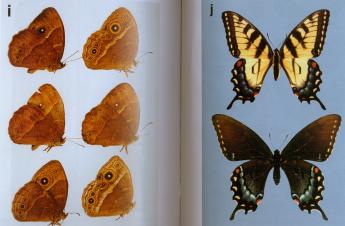
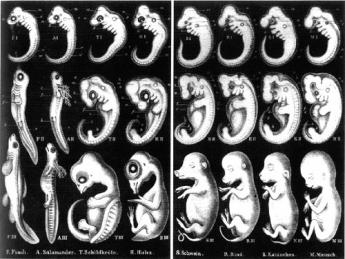
In late 1996, three scientists met in Philadelphia for a brain-storming session. Sean Carroll had demonstrated that mutations and perhaps an evolution of the wing patterns of butterflies and insects took place during their embryonic development, and seemed to be controlled by the unexplored proteins between active genes. Perhaps, he conjectured, the same was true of the whole animal kingdom. Gathered in the Joseph Leidy laboratory of the University of Pennsylvania, the three scientists from different fields proposed writing a paper about the idea, suggesting how scientists might explore proving it in the difficult circumstances of nine-month human pregnancies, in dinosaurs, in deep-sea fish and many remote corners of the animal kingdom. Filling yellow legal pads with their notes, the paleontologist (fossil expert) Neal Shubin of the University of Pennsylvania, genetic biologist (Sean Carroll of Wisconsin), and Harvard geneticist Cliff Tabin worked out a scientific paper to describe what was known and what had to be learned. The central theme, suggested by Carroll, was that evolution probably takes place in the neighboring regulatory material which controls the stage of life early in the development of the fetus, and these regulatory proteins consist of otherwise inactive residual remnants of ancient animals from which the modern species had evolved. As the fetus unfolds from a fertilized egg into a little baby, its outward form resembles fish, reptiles, etc. And hence we get the little embryonic dance of ancient forms morphing into modern ones. In deference to the skeptics, it would have to be admitted that the physical resemblance to adult forms of the ancient animals is a trifle vague.
|
| Haeckel's drawings of vertebrate embryos, from 1874 |
Embryologists have long argued about Ernst Haeckel's incantation that "Ontology recapitulates phylogeny", which is a fancified way of saying approximately the same thing. Darwin's conclusion was more measured than Haeckel's and explanations of the phenomenon had been sidelined for almost two centuries. But it seems to be somewhat true that fossils which paleontologists have been discovering, going back to dinosaurs and beyond, do mimic the stages of embryonic development up to that particular level of evolution, and might even use the same genetic mechanism. The genetic mechanism might evolve, leaving a trail behind of how it got to its then-latest stage. Borrowing the "Cis" prefix ("neighboring") from chemistry, these genetic ghosts have become known as Cis-regulatory proteins as the evidence accumulates of their nature and composition. Growing from the original three scientists huddled in Shubin's Leidy Laboratories in 1996, academic laboratories by the many dozens soon branched out, dispatching paleontologists to collect fossils in the Arctic, post-doctoral trainees to collect weird little animals from the deserts of China, and the caves of Mexico, everywhere confirming Carroll's basic idea. Even certain forms of one-celled animals which occasionally form clumps of multi-celled animals have been examined and found to be responding to a protein produced by neighboring bacteria which induces them to clump -- quite possibly the way multi-cellular life began. Many forms of mutant fish were extracted from caves to study how and why they developed hereditary blindness; the patterns of markings on the wings of butterflies were puzzled over, and the markings on obscure hummingbirds. The kids in the laboratory are now having all the fun with foreign travel, while the original trio finds themselves spending a lot of time approving travel vouchers. Many fossils of animals long extinct have been studied for their evolution from one shape to another, especially in their necks, wings, and legs. Some pretty exciting new theories emerged, and are getting pretty well accepted in the scientific world. At times like this, it's lots of fun to be a scientist.
| Posted by: Clarinda | Jan 3, 2012 1:44 PM |
| Posted by: your mom | Feb 24, 2008 8:17 PM |
You used to give me rides from PGH to Jeff,in the late 60's.
I live across from the Barnes,and have a much different perspective of the neighbors,than what I read on your blog.
Contact me at wally_boy@mac.com
thanks
| Posted by: walter herman | Nov 30, 2007 1:52 PM |
10 Blogs
Bertrand Russell Disturbs the Barnes Foundation Neighbors
How one of Britain's most notorious philosophers wandered into the city of brotherly love and vaulted out of destitution to wealth.
Nobel Prize: Michael Brown, MD
A locally trained Philadelphia physician has won the Nobel Prize in Medicine for saving millions of lives with the "statin" drugs.
Baruch Blumberg, Renaissance Man
Winners of a Nobel Prize are sometimes strange birds. The majority are charming and affable. But Baruch Blumberg has the unusual distinction of being a rollicking extrovert.
Hayek Confronts Keynes
The influence of Austrian economist Friedrich von Hayek is slowly winning out over the views of the English economist Maynard Keynes, even though both of them are dead. Which is worse, inflation or depression?
Two Pacifists: Einstein and Eddington
The English Quaker Sir Arthur Eddington was granted draft exemption during World War I, on condition that he conduct a test of the Theory of Relativity produced by the German conscientious objector, Albert Einstein. Einstein won.
Philosophy Means Science in Philadelphia
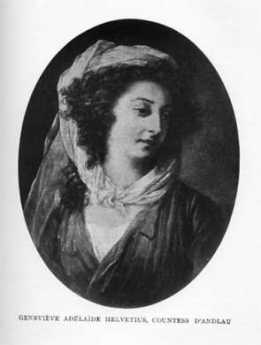 At least until he met Madame Helvetius, Benjamin Franklin displayed little interest in moral philosophy. His interest was in science, which was called natural philosophy in the Eighteenth Century. The American Philosophical Society is America's oldest and most prestigious society of scientific scholars. If investing is a science, the APS is good at that, too.
What To Do If You Have a Heart Attack
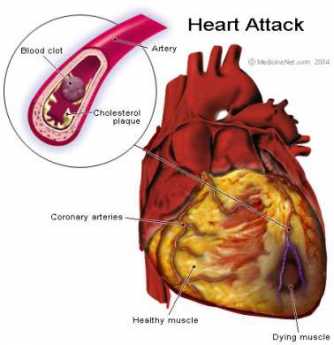 In May, I had a coronary occlusion, and a fast trip to the Pennsylvania Hospital. Cardiac catheterization opened the artery with a stent before there was time for infarction.
B. Franklin, Scientist
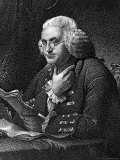 Kites are children's toys; going out in a thunderstorm is deliciously dangerous. We have thus been taught to regard Franklin's science as a lark, when in fact he largely discovered the nature of electricity and was regarded as one of the greatest scientists of his age.
Ball Lightning, Regular Lightning, and B. Franklin
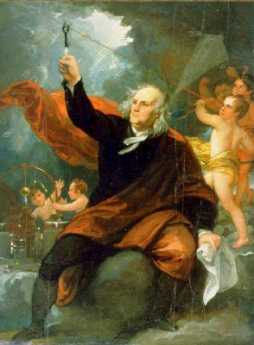 Knowledge about ball lightning is as dismal today as Franklin found the state of knowledge about regular lightning in 1752. Let's put ourselves in his shoes.
Evo-Devo
The Franklin Institute has been making awards for scientific achievement for 188 years, long before the Nobel Prize was invented. The seats are all reserved before the meeting notices are even mailed.